Music video “A Breakthrough Change” combines analog paper animation with digital elements to visually express themes of transformation and individuality. In this interview, the director explains the painstaking handmade process behind the visuals, from printing and tearing frames to photographing nearly a thousand images. The result is a deeply personal project that reflects patience, creative independence, and the idea that it’s okay to be different.
What inspired you to direct the music video for “A Breakthrough Change”?
The song’s lyrics explore themes of change and inner transformation, but they also speak about resisting the pressure to conform - to simply fall in line and agree without questioning. That idea resonated with me quite strongly, and I wanted to visually represent this feeling of not fitting into society with crumpled, torn paper. I had also been thinking for a long time about creating an animated music video, and with this particular song, the concept felt coherent both with the theme of the lyrics and the atmosphere of the music.
What was the biggest creative challenge while working on this music video?
The main creative challenge was finding the right balance between the analog paper animation and the digital elements. I was mixing different visual styles, but the goal was always to keep the final piece cohesive and unified.
The biggest challenge wasn’t so much creative as it was technical and mental - managing the entire production.
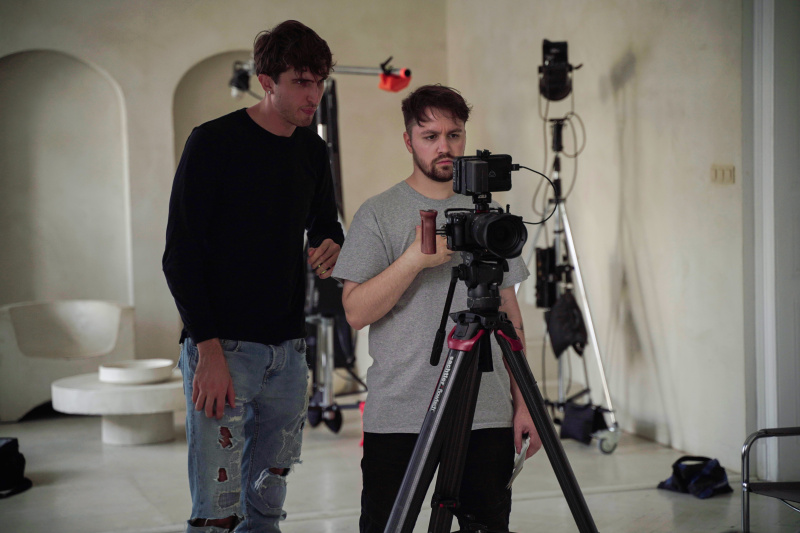
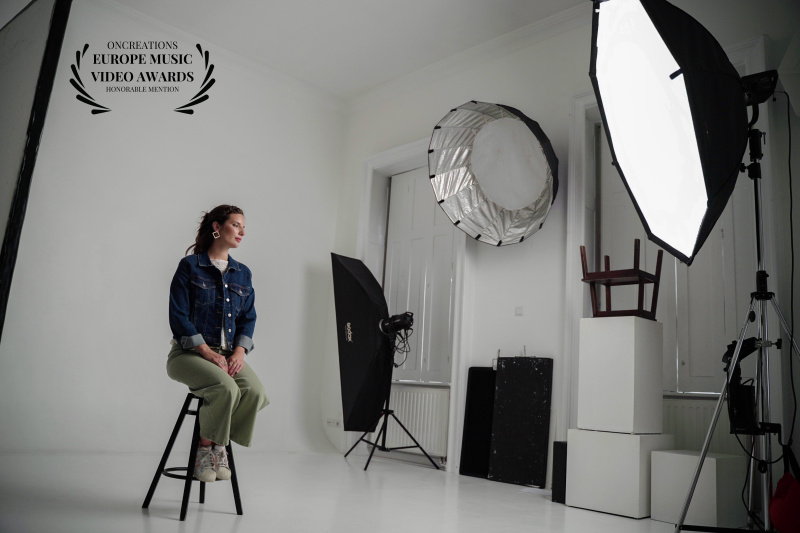
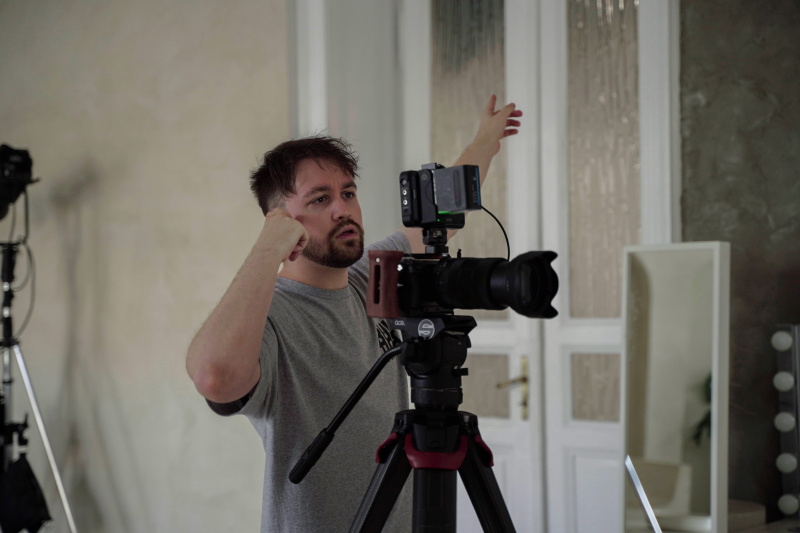
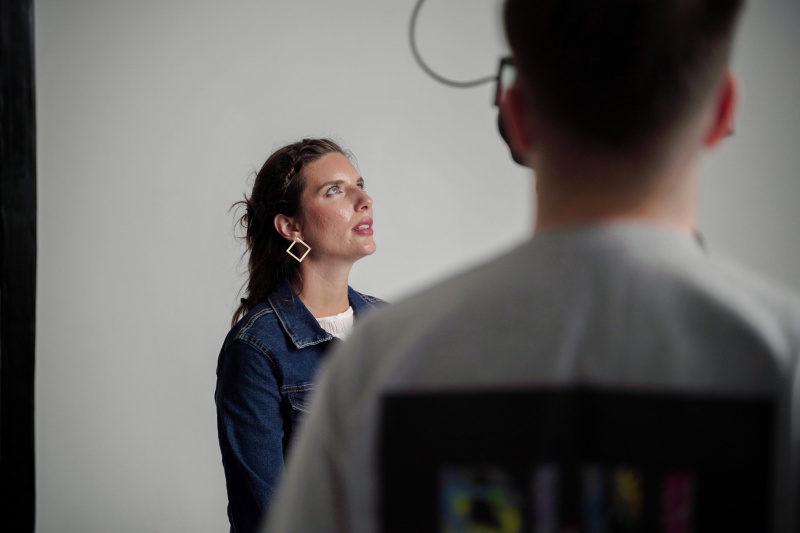
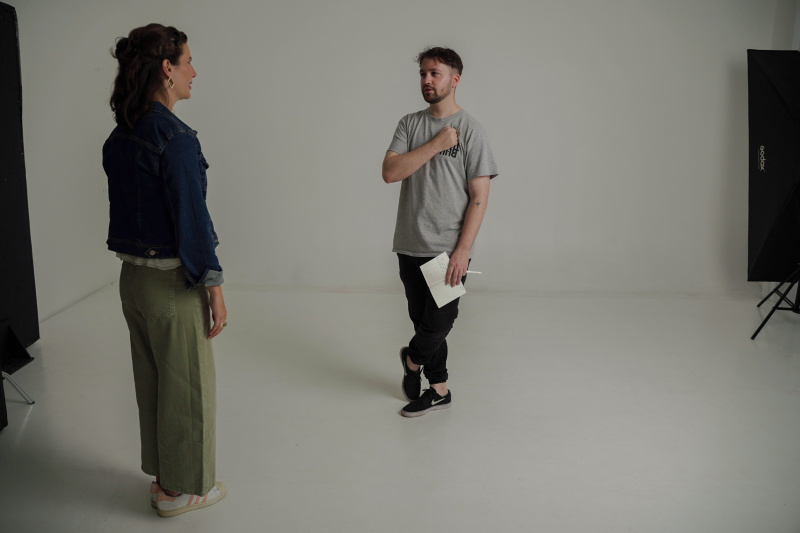
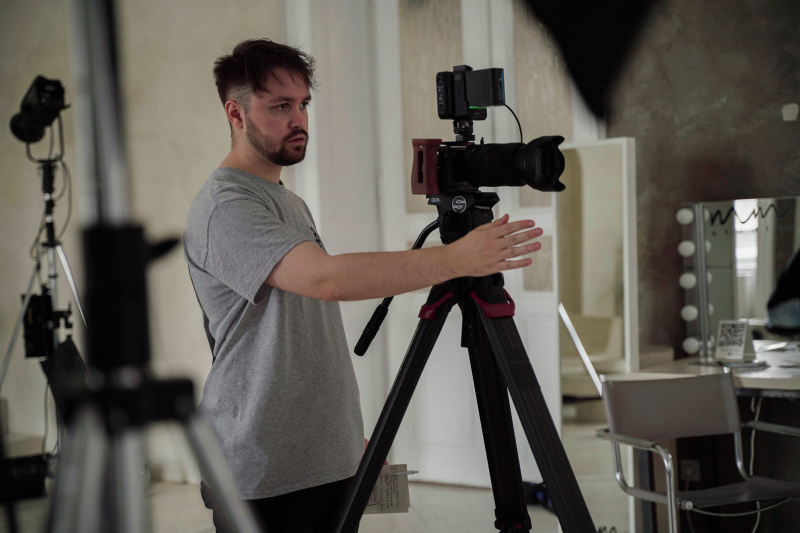
Pre-production is crucial in any film project, but with animation, it becomes even more important because it's not that easy to re-shoot anything, unlike live-action. So, the process was quite long; first, we shot the lip-sync sequences in a studio with Viki (Viki Marton, the singer) Áron and Barnabás, who have already helped me with my previous work. Then I edited the footage to what was almost a final cut. At that stage, I already decided which parts would remain live-action and which would become animated.
For the animation segments, I reduced the footage from 24 fps to 6 fps - this way, the lip-sync remains acceptable and enjoyable for the viewer, and in return, I had to animate far fewer frames. Then I printed the frames, and then physically cut, tore, and crumpled them. After that came the photography process and the final compositing. This last stage alone - cutting and photographing the frames - took about three months, but it would have taken much longer if my girlfriend, Beccus, hadn't helped me with this process. In total, I cut out and photographed nearly a thousand individual images.
Even the fish shot in the video is original footage, not stock material. I set up an aquarium and filmed the fish from below. It took quite a bit of experimentation to figure out the right angle, since the glass and the water can easily distort the image. I also recorded the footage at five times slow motion, because large, monumental things tend to move more slowly in relation to the human scale.
Using AI was never part of the plan. I wanted to go through the process, to experience it fully - even the difficult parts. For me, filmmaking isn’t about rushing through production like a machine on an assembly line; it’s about engaging with the craft as a human being. That struggle is also what makes the final result more meaningful for me.
How did you approach translating the emotions of the song into visual animation?
As I mentioned earlier, the feeling of not quite fitting into society became a central visual idea for me. I tried to express that through imagery that feels worn, torn, and crumpled. The paper textures reflect a sense of emotional pressure and fragmentation.
What message or feeling did you hope viewers would take away from the video?
I hope viewers feel that it’s okay to be different. Sometimes life brings moments when you feel disconnected, as if you don’t quite belong anywhere, but that doesn’t mean you're alone. I think it’s important to remember that you're not better, or you're not worse, just different.
How important is visual storytelling in a lyric-based music video like this one?
For me, it has always been more important to convey the mood and emotional atmosphere visually rather than illustrating the lyrics literally. If someone raps about a purple Lamborghini and the video simply shows a purple Lamborghini, I personally don’t find that very creative.
I prefer to convey the mood of the music; I don't think the story of the video has to match the lyrics 100%, but I'm sure some disagree. In many cases, visual metaphors can create a more elegant and engaging form of storytelling. Of course, it always depends on the specific song and what the project requires.
Did the style of the animation evolve during production, or was the vision clear from the start?
Animation is naturally a longer and more layered process. From the beginning, I had certain images and visual ideas in my head, and I tried to stay faithful to those. Of course, there were a few inspirational images that worked very well as photos, but they would have been quite difficult to bring to life in live-action or in animation, so I decided to let them go.
At the same time, I allowed myself a bit of flexibility during the physical process - deciding which frames would be torn and which would simply be crumpled. Even there, though, I tried to maintain a structured approach so the visuals wouldn’t become too repetitive throughout the music video.
What did you personally learn or discover while creating this project?
Well, patience... I already considered myself a fairly patient and calm person, but this project has given me even more patience.
I'm a bit of an overthinker, and sometimes I feel uncertain about myself and my vision, and whether I'm really good enough, but I feel that I have grown a lot through this project and realized that I can trust my instincts much more, because even if the project isn't 100% perfect, it's still 100% mine.
What I learned: Think less, and feel more.