
The music video for Aileen was born out of silence, vulnerability, and emotions that could no longer be suppressed. Through a close collaboration between Delore and directors Alina Lazareva and Brandon Nguyen, an intimate visual world emerged—one where memory and present reality slowly begin to blur. Guided by emotional sensitivity rather than a strict narrative, Aileen invites the viewer to feel heartbreak as something deeply personal and almost physical.
How did the idea for the Aileen music video come about?
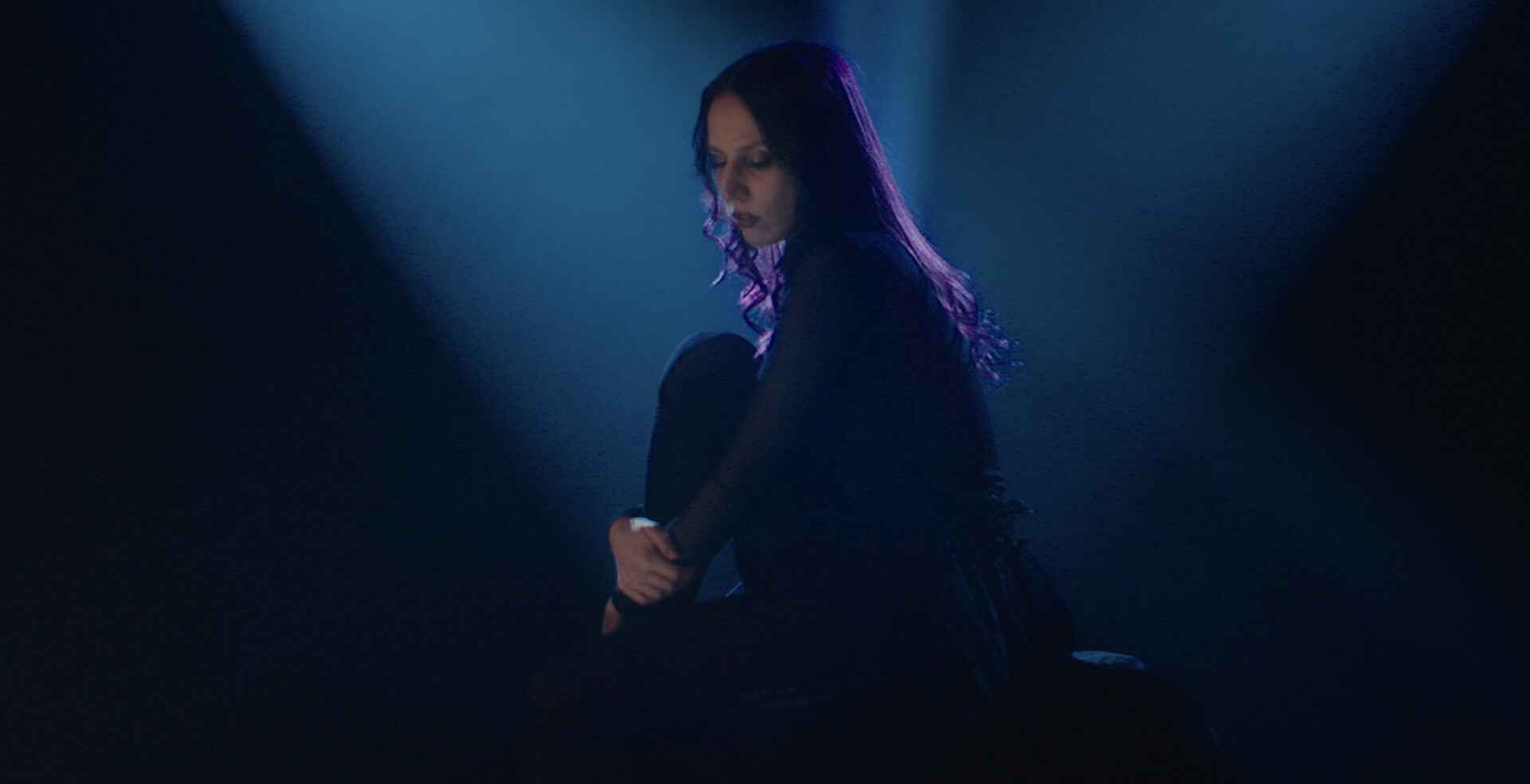
Alina: The idea for the Aileen music video grew directly from the feeling of the song itself. During our first conversations with Delore, we were drawn to keeping the visuals simple and intimate, focusing on raw emotion rather than a complex narrative. Delore also described the song to us as having a blue tone, which became an important visual anchor. We decided to work with practical elements, light, and subtle symbolism to support the emotional arc of the song. Our goal was to reflect the inner emotional journey of the main character: how memories surface, intensify, and slowly blur the line between past and present. As the song unfolds, the character dives deeper into these memories until they begin to feel almost physical, dissolving into her current reality. Many ideas emerged organically through discussions with Delore, within the team, and during the shoot itself. But ultimately, the core concept came from listening closely to the song and allowing its emotional sensitivity to guide the visual language.
What does the song mean to you, and what emotions did you want to convey in the video?
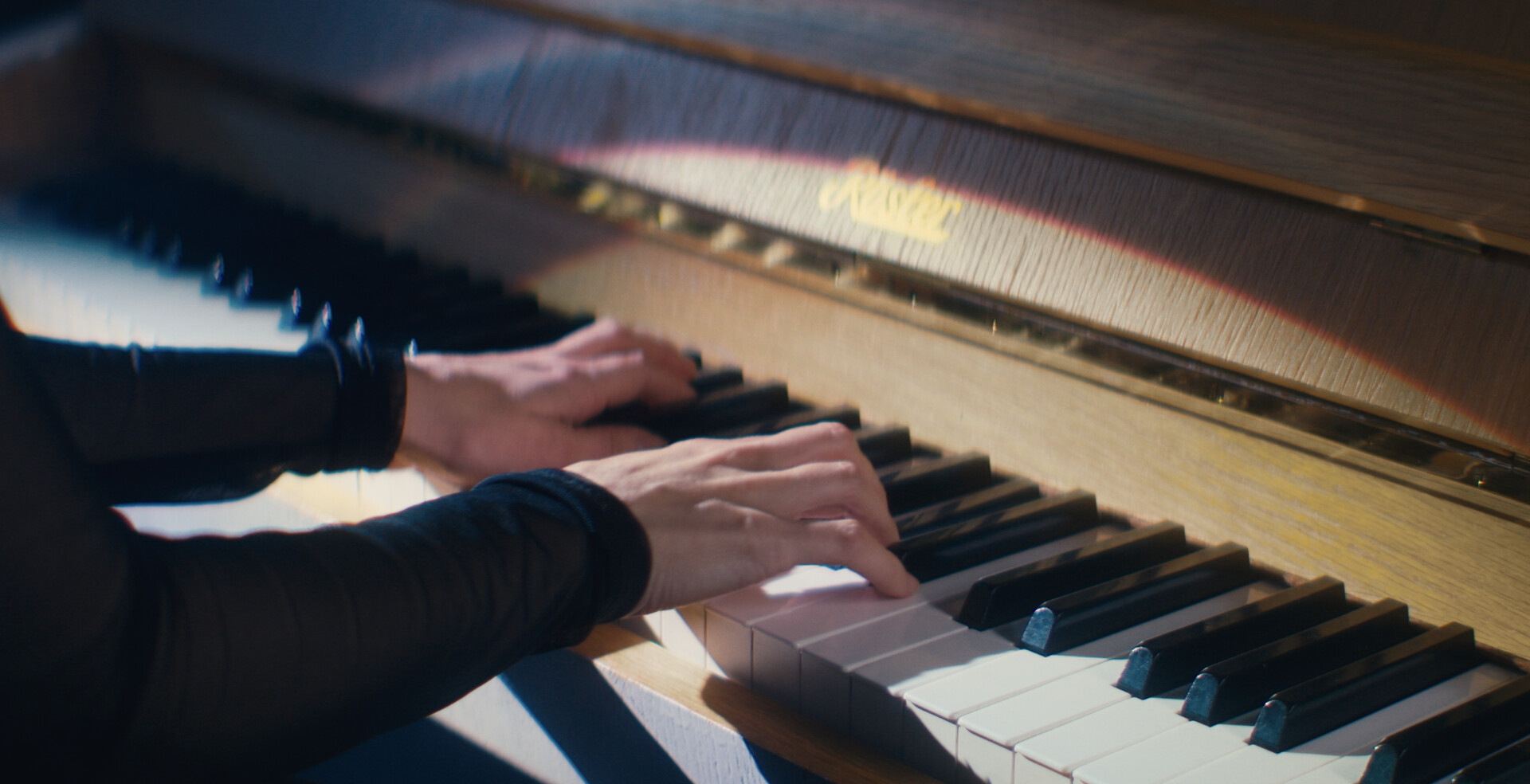
Delore: This song was something I really needed to get off my chest when I wrote it. I think I had been running away from some big emotions for a long time, and one day, as I sat by the piano, I started playing the intro riff and simply sang the first thing that came to mind: “Why does it hurt?” That question is really the root emotion of the song, and it’s what we wanted to highlight in the video. To me, the song feels like watching life continue to move forward while you remain emotionally stuck—dwelling in memories until you’re almost drowning in them. That sense of being trapped in the past while everything else keeps going was something we really wanted to capture visually.
Alina: The song resonated with me on a personal level, which made working on this video especially meaningful. Visually, we wanted to emphasize the closeness between the two characters through tender touches, gazes, and contrast that intimacy with the sadness of separation. There is also a layered emotion of seeing someone you once loved moving on, while memories of shared happiness pull you deeper into a mix of longing, sorrow, and tenderness. Our aim was not to explain these feelings directly, but to let the viewer experience them.

How did you collaborate with directors Alina Lazareva and Brandon Nguyen to bring the song to life visually?
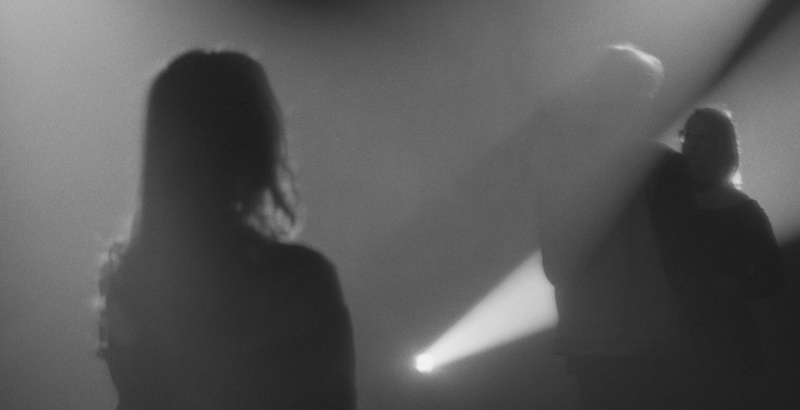
Delore: They honestly made the whole process really easy for me. There was an immediate mutual understanding of what we wanted to highlight in the video, and from there, they really took the lead. As Alina mentioned earlier, I had a strong visual feeling for the song, especially in terms of color, and I put together a very simple Pinterest board with images that captured a similar emotional tone. A few weeks later, Alina and Brandon presented their script and visual ideas, and they were absolutely incredible. It felt very natural and collaborative, and I trusted their vision completely.
What was the most memorable or interesting moment during the video shoot for you?
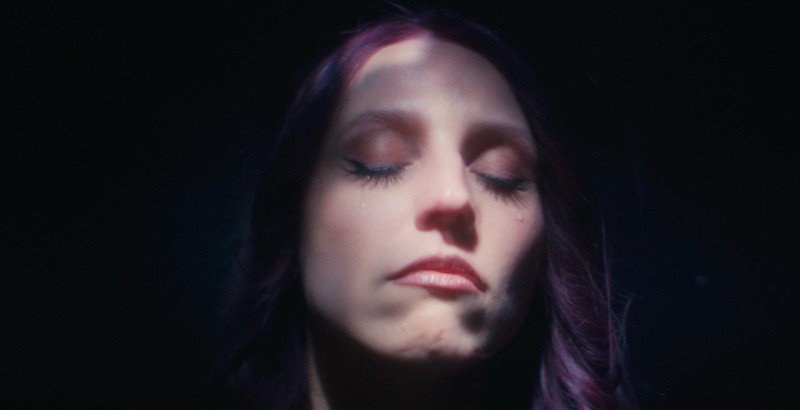
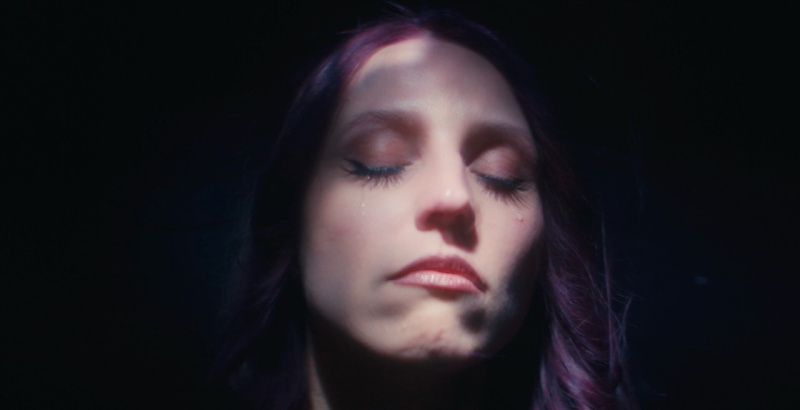
Brandon: The most memorable moment during the shoot for us was filming the “tear” scene. We had to use artificial water droplets for the tear because our artist couldn’t cry on command, and we felt that forcing it would make it look unnatural. After fidgeting around for a while and scratching our heads in frustration over this scene, we were close to throwing in the towel and scrapping it altogether. Then, suddenly, at just the right moment, the perfect “tear” appeared, and everyone burst into a sense of relief and happiness.
Delore: I definitely agree about the tear moment—it wasn’t easy! We filmed the video at a faster tempo, so there were only a few seconds to get into character and try to shed a tear. It was also my first time acting on camera, so being that vulnerable in such a technical setting felt very strange. I remember us yelling, “Okay, now—NOW!” and somehow, we managed to capture the tear in that exact moment.
Was there a particular scene or detail in the video that held the most personal significance for you?
Delore: Honestly, the whole video holds personal significance for me, but if I had to highlight one moment, it would be the scene right before the bridge where I’m holding a light against my chest. To me, it feels like physically holding in emotions. When I move my hands away from my heart, it’s as if those emotions and memories are released, flooding back and pulling me into the present moment, where I’m forced to watch the other person move on.

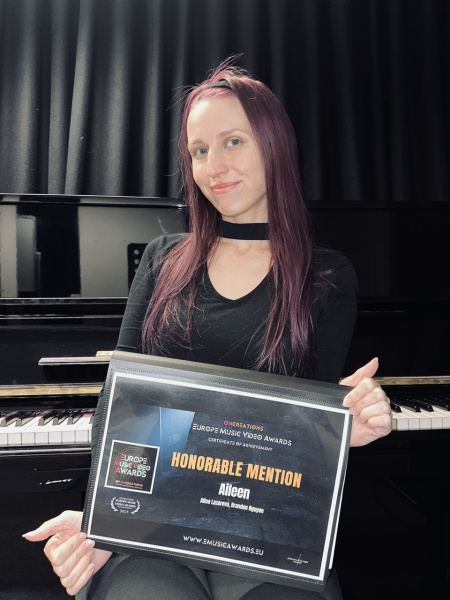
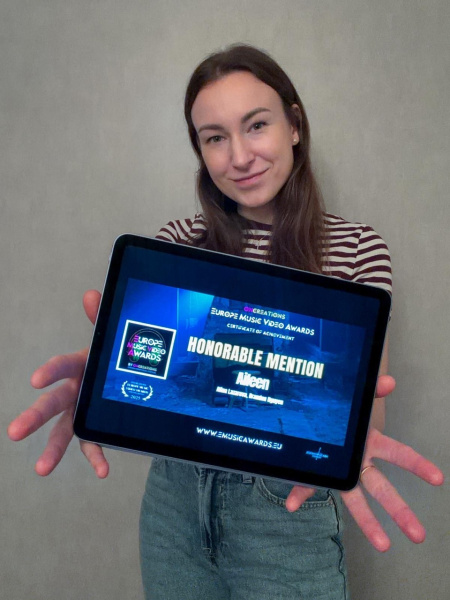
General questions about music and creative process: All answered by Delore
How would you describe your music style to someone who hasn’t heard you yet?
I would describe my music as cinematic pop—hooky melodies meeting dramatic string arrangements, paired with storytelling about heartbreak, all brought to life through nuanced and emotional vocals.
What inspires you the most when creating music?
I would say sadness inspires me the most. I’ve been drawn to sad songs my entire life—even as a kid, before I really understood what heartbreak was, I would sing the most dramatic songs as if the stories had happened to me. When I started writing songs seriously, I realized there were a lot of emotions that I hadn’t fully dealt with and needed to get off my chest. My music often showcases big emotions, and writing songs is my way of processing them.
Do you have any rituals or ways to get into the right mindset for writing a new song?
Very often, the mindset is already there before I even decide to write—the song kind of forces its way out of me. I do like to challenge myself by trying different songwriting approaches, though. The routine idea of sitting down and deciding, “Today I’m going to write a song,” doesn’t really work for me. Sometimes I’ll sit at the piano, and if nothing comes out, I’ll switch to a different instrument or try a completely different approach. Changing the environment or method often helps unlock something new.
How do you view your musical progress from the beginning of your career until now?
I’ve always been quite shy, so singing in front of people, taking pride in my work, promoting it, and allowing myself to be seen are all things I’ve had to work on a lot. I’ve always loved singing and writing stories and songs, but I used to be very hesitant to share them or perform in front of others. If you had told my past self what my present self is capable of and doing right now, I honestly wouldn’t have believed it. The growth has been slow, but it’s been steady, and I’m excited to see where it leads me.
What do you hope people take away from your music or music videos?
I hope my music and videos can offer listeners the same sense of emotional release and comfort that they’ve given me. I hope Aileen helps people let go of bottled-up emotions—whether that means moving on, or simply getting those feelings out of their chest and into words and melodies.